Wellness in the Skies
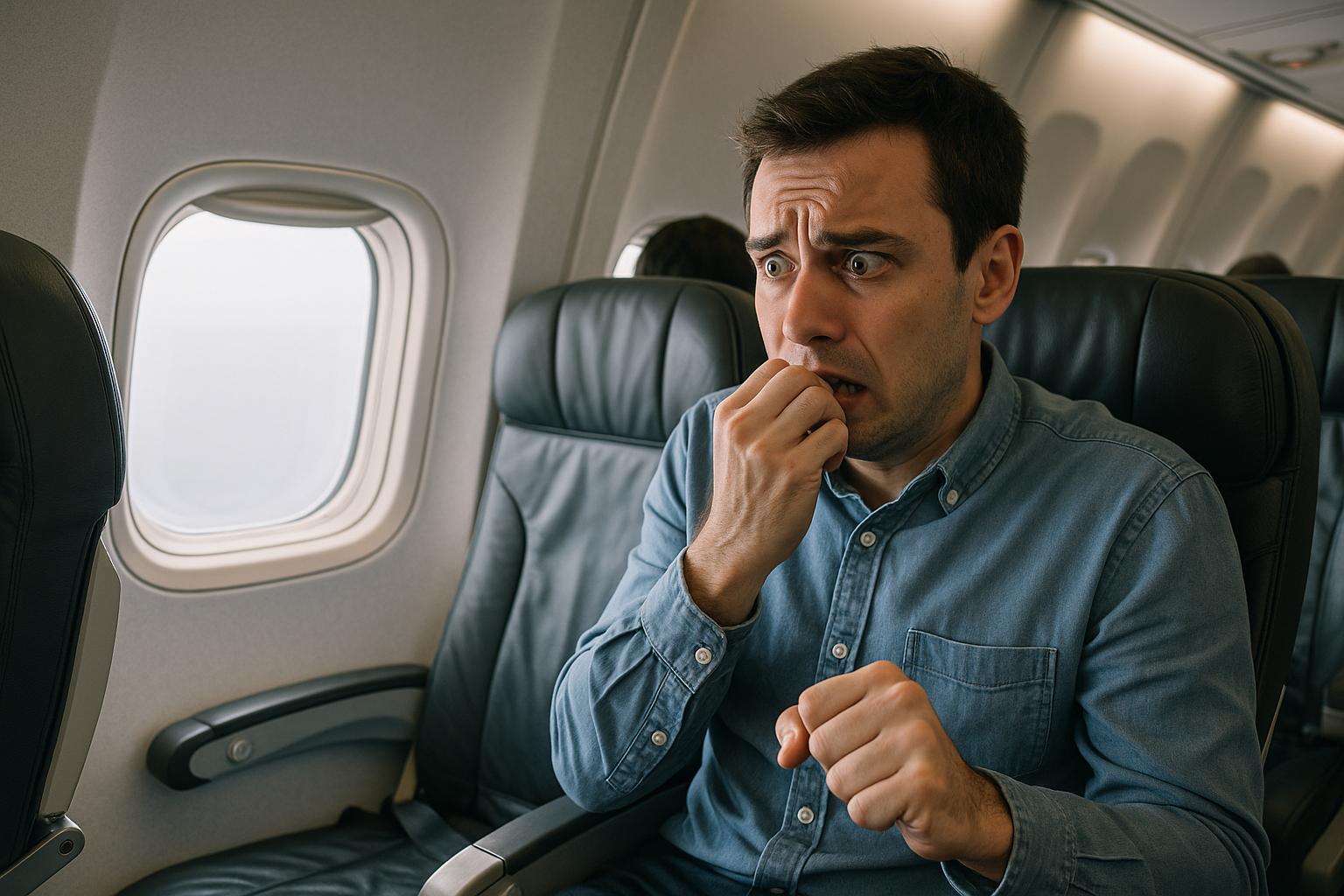
We emphasize the vital importance of aspiring pilots mastering the nuances of fitness to fly. Describing the term “fitness to fly” goes beyond a checklist; it’s about embodying the responsibility pilots hold for their medical well-being in the sky. We, as Kiwi aviators, understand the significance of Land Transport medicals and the duty to report any changes. The IMSAFE method becomes a compass, ensuring each flight begins with a self-check for peak performance. From navigating the complexities of pregnancy to managing factors like arterial health, blood pressure, and emotional well-being, our flying school ensures that you not only soar through the skies but do so with the resilience and vitality that defines the Kiwi way. Welcome to a journey where fitness isn’t just about the body; it’s about the holistic wellness of the pilot and the skies they navigate.
10.30 Fitness to Fly
10.30.2 Describe the term fitness to fly.
10.30.4 Explain the responsibilities of pilots towards medical fitness for flight.
10.30.5 Explain the responsibilities of pilots operating on a Land Transport medical with regard to a known change in medical condition.
10.30.6 Identify symptoms and circumstances that would lead you to consult your aviation medical examiner prior to further flight.
10.30.8 Describe the IMSAFE method of assessing fitness for flight.
10.30.10 Describe the problems associated with pregnancy and flying.
10.30.12 With regard to the following factors, describe their effects on pilot performance and methods by which they may be minimised/managed:
(a) arterial disease (b) blood pressure (c) diet (d) exercise (e) obesity (f) smoking (g) respiratory tract infection/allergies (including colds, sinus, hay fever, influenza, asthma) (h) food poisoning and gastroenteritis (i) neurological factors (including fits/epilepsy, brain injury, fainting, headaches, migraines) (j) emotional factors (including depression and anxiety) (k) dehydration