Introduction to Vision and Visual Perception in Aviation:
Welcome to the realm of “Vision and Visual Perception,” a pivotal section in your pilot theory training designed to sharpen your sight and perception skills. Understanding this material isn’t just about acing an exam; it’s about securing the safety of both you and your passengers. Here’s why this knowledge is paramount:
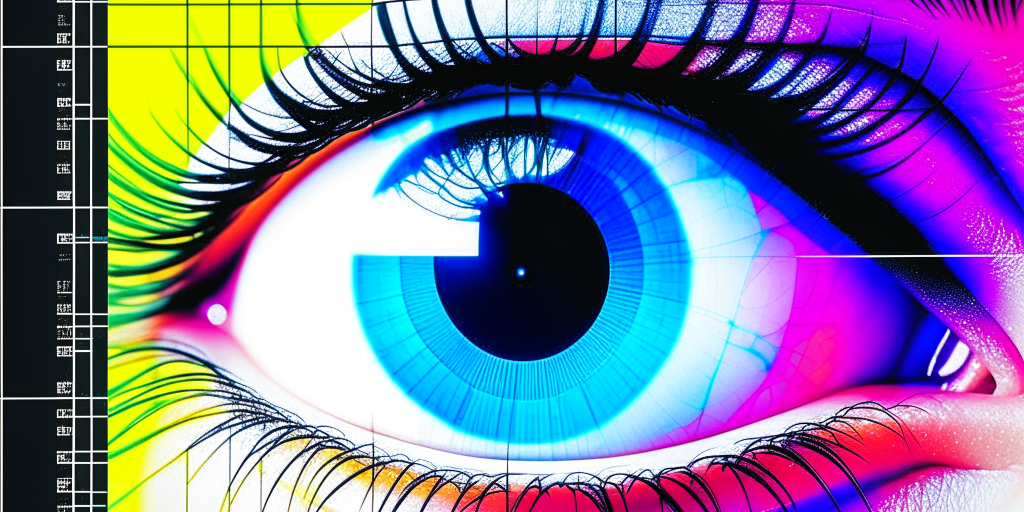
Eye Structure Fundamentals: Explore the intricacies of eye anatomy, identifying components like the lens, cornea, retina, fovea, optic nerve disc, cone cells, and rod cells. This foundational knowledge lays the groundwork for grasping the nuances of vision.
Distinguishing Rod and Cone Cells: Delve into the functions and distribution of rod and cone cells in the retina. This insight is crucial for comprehending how your eyes perceive different light conditions.
Navigating Limitations: Understand the limitations of the human eye, including challenges in discerning objects at night, in daylight, and under various lighting conditions. Acknowledging these limitations is key to informed decision-making during flights.
Dark Adaptation Mastery: Gain insights into the process of dark adaptation and the time required for full night vision. Knowing how your eyes adapt to low-light conditions is vital for safe night flying.
Visual Illusions and Coping Mechanisms: Grapple with visual illusions such as autokinesis and the black hole phenomenon. Learn methods to cope with these illusions, ensuring you can navigate confidently through potentially confusing situations.
False Horizon Awareness: Explore conditions that can lead to the creation of a false horizon and understand its potential impact on visual perception. This knowledge aids in maintaining accurate spatial awareness during flights.
As you embark on this journey through “Vision and Visual Perception,” you’re not just absorbing information; you’re enhancing your ability to navigate the skies with precision and confidence. So, fasten your seatbelt and get ready to view aviation through a clearer lens!
10.18 Vision and Visual Perception
10.18.2 Identify the following eye structure components:
(a) lens (b) cornea (c) retina (d) fovea (e) optic nerve disc (f) cone cells (g) rod cells.
10.18.4 Distinguish between rod and cone cell functions and distribution in the retina.
10.18.6 Describe the limitations of the eye in terms of:
(a) the ability to discern objects at night (b) the ability to discern objects in daylight, including wires and other aircraft (c) poor lighting (d) glare (e) lack of contrast (f) the blind spot (g) colour perception.
10.18.8 Explain the process of dark adaptation.
10.18.10 State the normal time for full night vision adaptation.
10.18.12 Identify precautionary actions to protect night vision adaptation.
10.18.14 Describe the factors associated with the selection of suitable sunglasses for flying.
10.18.16 Describe the visual system resting state focus and its effects on object detection.
10.18.18 Explain effective visual search techniques.
10.18.20 Explain the see and avoid method of avoiding mid-air collisions.
10.18.22 Explain the use of visual cues during landing.
10.18.24 Explain the following visual illusions:
(a) autokinesis (b) stroboscopic illumination illusion/flicker vertigo (c) the break-off phenomenon (d) the black hole phenomenon.
10.18.26 Describe methods of avoiding and/or coping with:
(a) autokinesis (b) stroboscopic illumination illusion/flicker vertigo (c) the break-off phenomenon (d) the black hole phenomenon.
10.18.28 Describe conditions which can lead to the creation of a false horizon.
10.18.30 Explain the effect of a false horizon on visual perception.
10.18.32 Explain relative motion.
10.18.34 Explain the effect of fog, haze, and/or dust on visual perception.
10.18.36 Describe the optical characteristics of the windshield.
10.18.38 Explain the effect of sloping terrain on visual perception.
10.18.40 Explain the effect of the following factors on visual perception during the following approach situations:
(a) steep/shallow approach angles (b) length, width and texture of the runway (c) the intensity of the approach lights