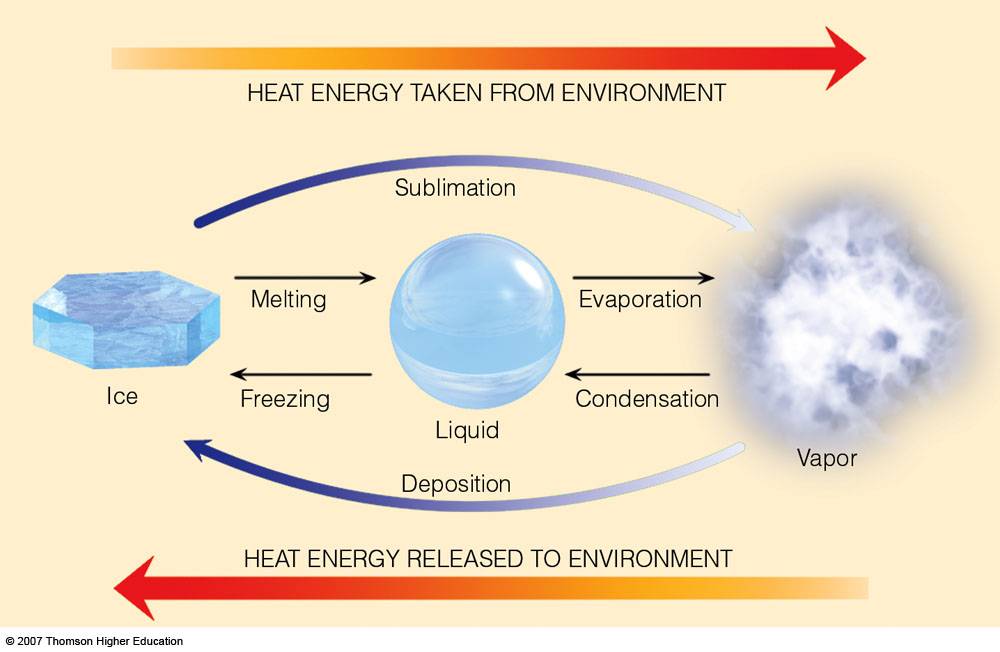
Explain what is meant by supercooled water, and describe the influence of latent heat on the formation of ice.
Supercooled Water:
When suspended or falling water droplets cool to temperatures lower than zero Celsius they do not turn to ice immediately but remain in a supercooled / liquid state said to be an unstable state.

When water changes its state, latent heat is either required or given off depending on the direction of change
When liquid changes to ice (freezing) it gives off latent heat of Fusion
The latent heat of fusion then causes supercooled water when disturbed, to turn to ice at a given rate depending on the temperature of the drop
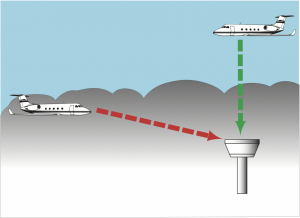
Explain the factors involved in slant range.
If there is a relatively dense layer of haze or mist the runway may have better visibility from directly above, because the depth of penetration is better looking through at right angles
Describe the characteristics and the effect on visibility distance, of the following:
a)  precipitation;
b)  fog or mist;
c)  haze;
d)  smoke;
e)  sea spray;
f)  snow;
g)  whiteout.
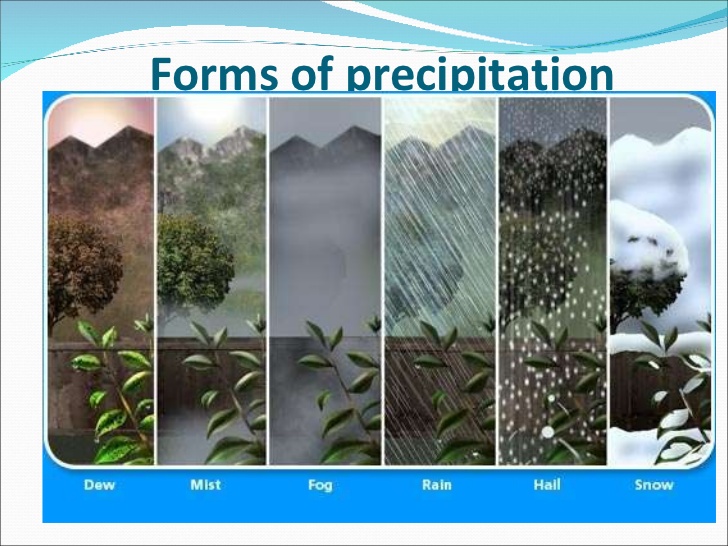
a) Precipitation
Visibility depends on the precipitation intensity
b) Fog / Mist
By definition fog is cloud on the surface which has reduced visibility to less than 1000metres and mist on the other hand involves a visibility of between 1000m and 5000m
c) Haze
This is caused by air impurities such as dust, small sand particles etc
It exists when the visibility distance has reduced below 5000m
If visibility is less than 1000m this defines a dust or sand storm
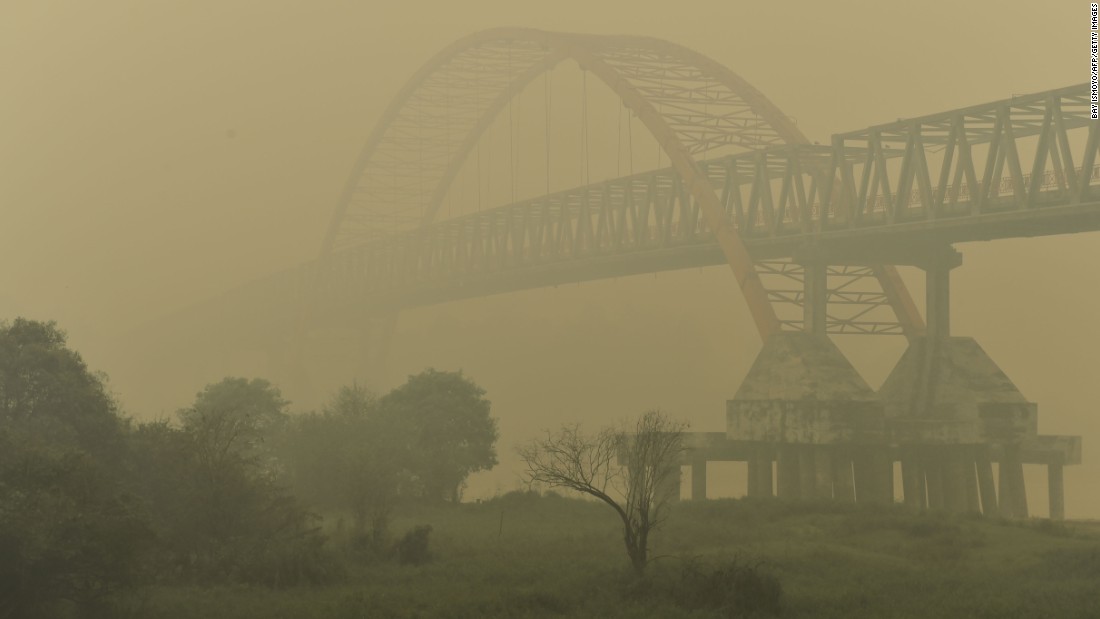
d) Smoke
Smoke reduces visibility in terms of haze when particles of carbon, soot etc adversely modify the air’s transparency
These particles are excellent condensation nuclei – so the development of cloud and preciptation is enhanced
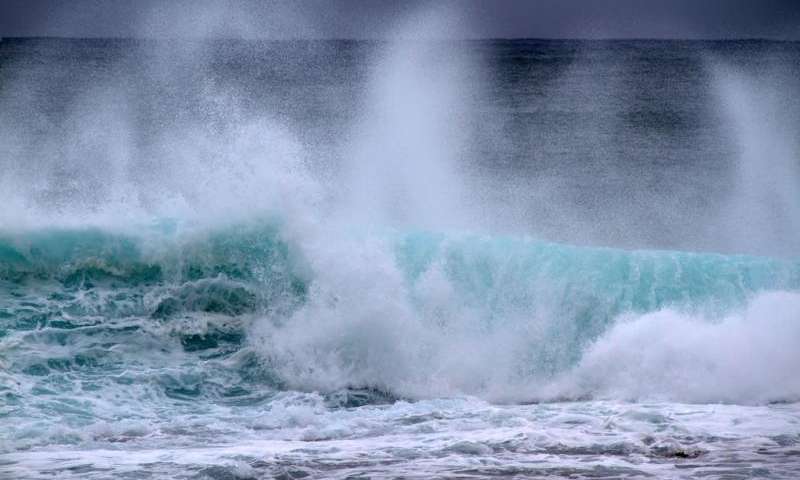
e) Sea Spray
This can cause a substantial reduction in visibility over large water areas such as sea or lakes and in coastal situations under strong wind conditions
Wind can scatter the water and salt droplets of wave crests through a deep layer
These particles are excellent condensation nuclei so the presence of cloud and preciptation is also enhanced
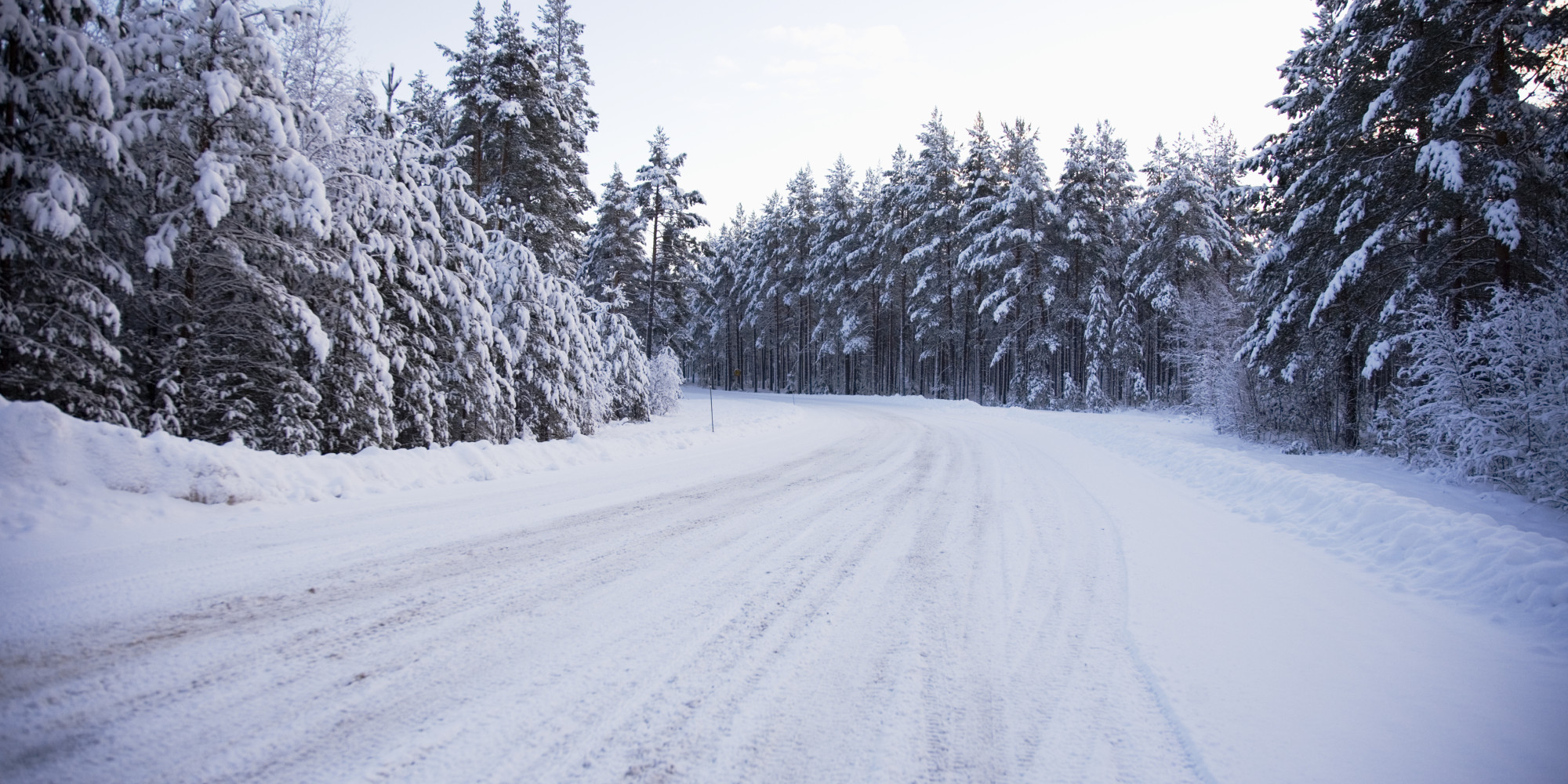
f) Snow
The visibility from snow is worse than that involving rain
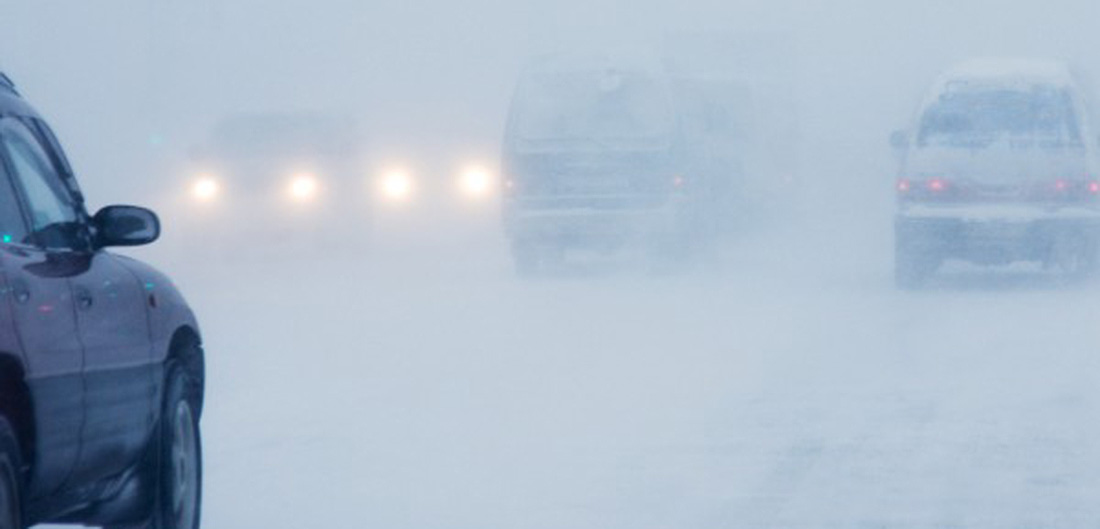
g) Whiteout
Reduces visibility especilally if low level helicopter flying – due to the scattering of snow
Differentiate between visibility distance and visibility range.
Visibility is expressed as a distance, this is not affected by illumination from the sun / moon
Range can be greater than the prevailing distance when for example a far away object is brightly lit by the sun
Range is best when looking with the sun behind you, or with the moon infront

Explain how illumination from the sun or moon have an effect on visibility.
Since visibility of air is related to transparency, it follows that whether it is day or night if there is no change in transparency there is no change in visibility
Illumination from the sun or moon have no influence on visibility, but are required to determine visibility range
Explain what is meant by transparency of air.
Transparency of air refers to the level of impurities
The lesser the impurities the better the transparency
Define meteorological visibility.
Visibility refers to the ability to see through air
The fewer impurities in the air the greater the visibility, thus the further we can see
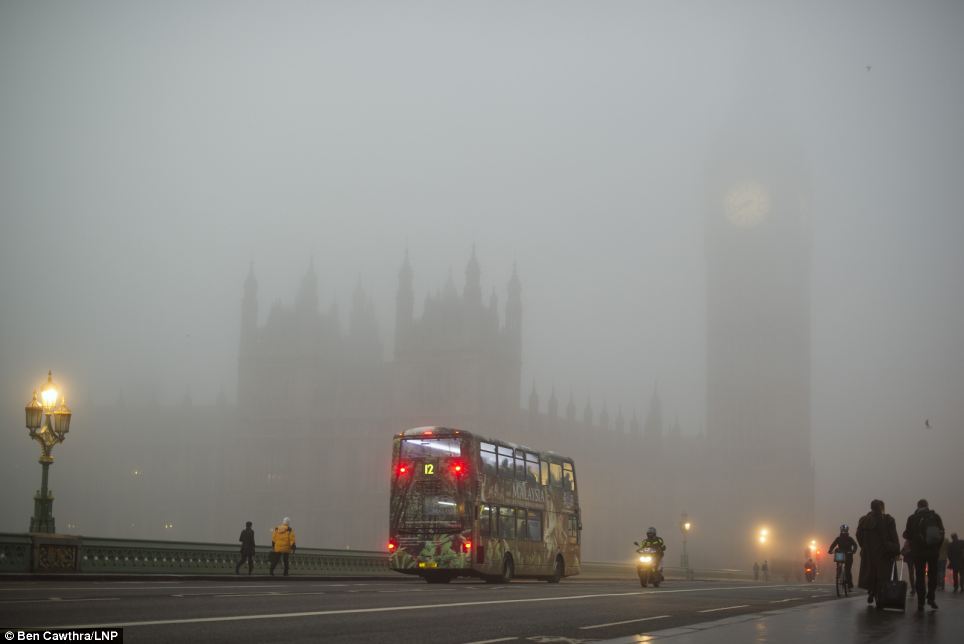
Describe the operational problems associated with fog.

There are two sets of issues
1) Departure problems
– The fog can be easily misjudged based on an apparently thin layer but within a few kilometers worse or clearer conditions may exist
– Once having taken off through fog it is unlikely that a pilot would be able to land at the same airport
– A climb out in mountainous terrain will be affected by poor visibility
2) Arrival Problems
– on approach if the fog is developing, the slant range must be considered
– danger is involved when trying to land at the end of the day – in shadow the runway can be seen at right angles but on final approach the visibility distance may not be suffiicient
.png)
.jpeg)
f) Frontal fog
This may develop when a warm front travels across the country
e) Steaming fog
this occurs where large amounts of moisture are added to the air due to evaporation from a relatively warm surface